Save 20% on all classes
Breath Awareness: A Foundational Mindfulness Activity for Daily Life
Breath awareness is one of the most accessible and effective mindfulness activities available to us. It requires no equipment, no special setting, and no previous experience. Simply by noticing the natural rhythm of the breath, we begin to shift from autopilot into presence. This simple mindfulness activity forms the foundation of many contemplative practices, including breath awareness meditation, yoga, and modern stress-reduction programs.
Jannah Abueza
12/13/20252 min read
What Is Breath Awareness?
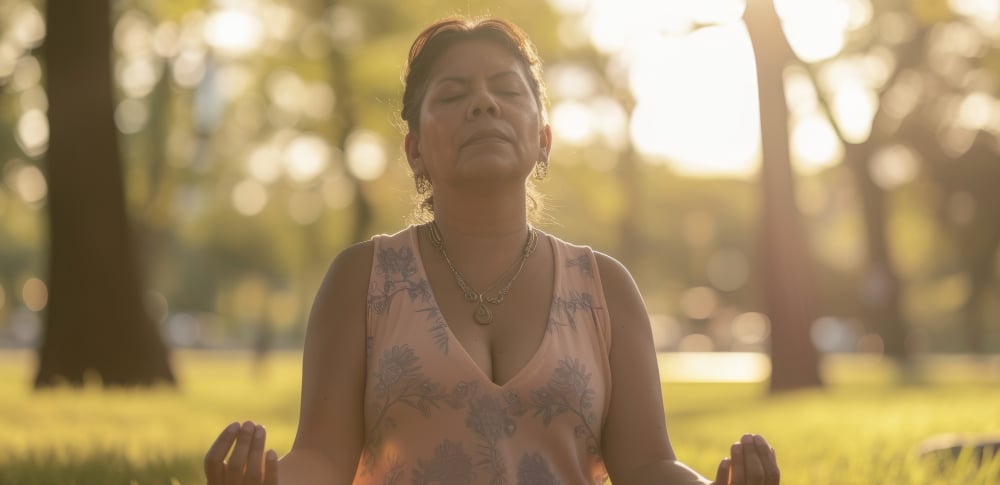
Breath awareness is the practice of gently observing the breath as it moves in and out of the body. Unlike breathing techniques that aim to control or change the breath, breath awareness invites curiosity and nonjudgmental attention. This makes it a powerful mindfulness activity for beginners and experienced practitioners alike.
In many traditions, breath awareness meditation is taught as a way to anchor attention in the present moment. Because the breath is always happening, it becomes a reliable point of focus during moments of stress, overwhelm, or distraction.
You can explore the scientific foundations of this practice through resources like Mindful.org’s guide to breathing meditation.
Breath Awareness Benefits
The benefits of breath awareness extend across physical, emotional, and mental wellbeing. Regular practice has been shown to support nervous system regulation, improve emotional resilience, and enhance concentration.
Some commonly reported breath awareness benefits include:
Reduced stress and anxiety
Improved emotional regulation
Greater body awareness
Enhanced focus and clarity
Increased sense of calm and groundedness
Research summarized by organizations such as Harvard Health highlights how breathing-based mindfulness practices can positively influence mental health and stress response.
When Breath Awareness Feels Uncomfortable
For some people, especially those new to mindfulness, an uncomfortable awareness of breathing can arise. This may feel like breath restriction, anxiety, or restlessness. This response is common and does not mean the practice is harmful.
In such cases, it is helpful to soften the focus or shift attention to a broader field of awareness, such as sounds or sensations in the body. Trauma-informed approaches, like those discussed by The Trauma-Sensitive Mindfulness Project, emphasize choice, pacing, and self-compassion when working with breath awareness.
A Simple Breath Awareness Exercise
A basic breath awareness exercise can be practiced anywhere:
Sit or lie down comfortably.
Gently notice where you feel the breath most clearly.
Observe the inhale and exhale without changing them.
When the mind wanders, kindly return attention to the breath.
Even one to three minutes of this breathing meditation technique for beginners can create noticeable shifts in awareness.
Breath Awareness Meditation Script
A short breath awareness meditation script might sound like this:
“Allow your attention to rest on your natural breath. Notice the inhale as it enters the body, and the exhale as it leaves. There is nothing to fix or change. Simply observe, moment by moment.”
This kind of script is commonly used in classes, therapy settings, and guided recordings. Platforms like UCLA Mindful Awareness Research Center offer free guided practices that include breath awareness meditation benefits research.
Breath Awareness as a Daily Practice
Breath awareness is often included in broader mindfulness activities such as yoga classes, mindful movement, and meditation programs. Some communities even dedicate time to practices like Breath Awareness Month to encourage collective engagement with conscious breathing and mental health.
As a mindfulness activity, breath awareness teaches us that presence does not require effort. It requires attention, patience, and kindness. Over time, this simple practice can become a powerful companion in navigating daily life with greater clarity and ease.